Hair fall: when to worry, and how PRP therapy can help
Some daily hair fall is normal. Learn the common causes of excess hair fall, when to see a doctor, and how hair PRP and hair transplants work.
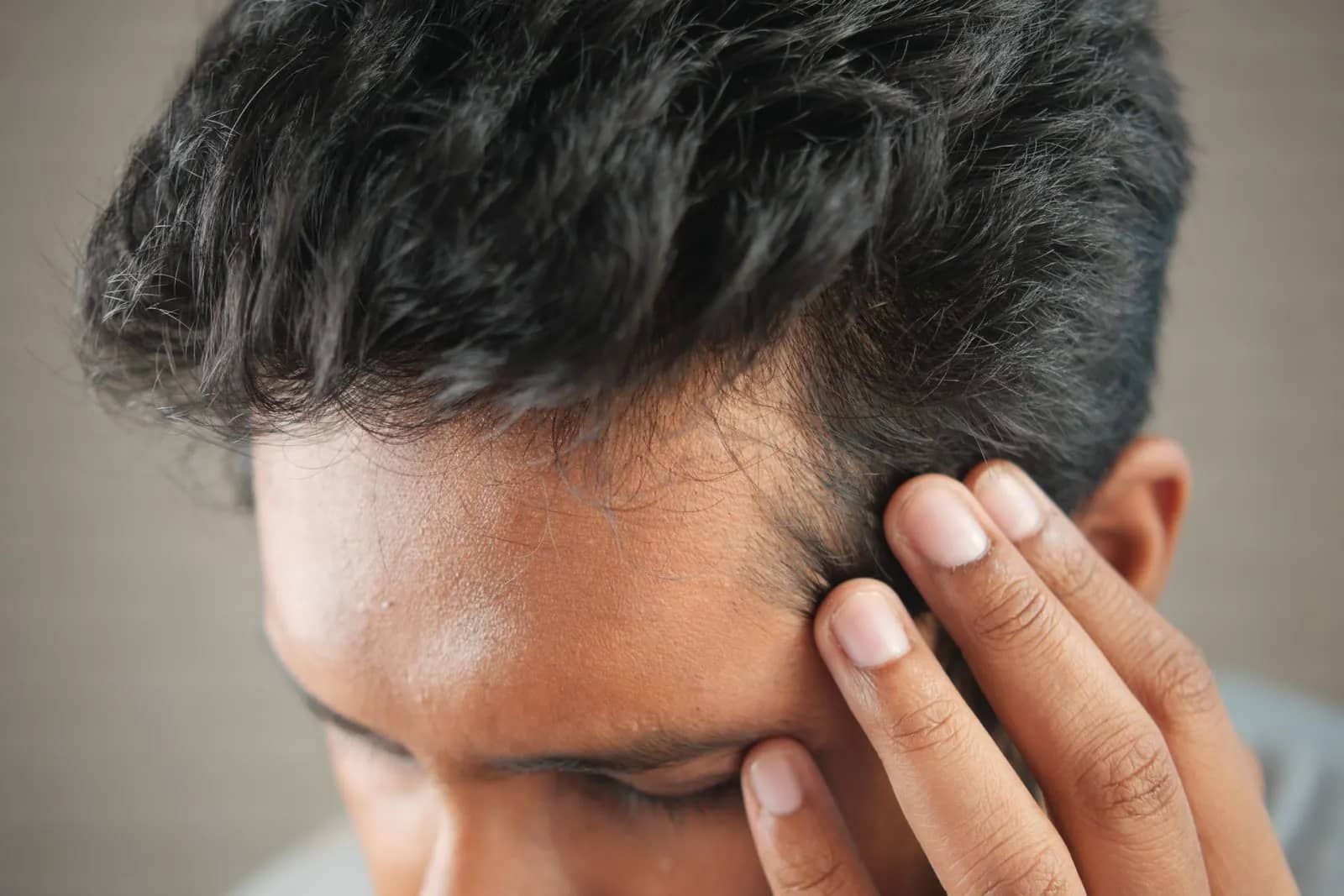
Finding hair on your pillow or in the shower drain can be worrying. But losing some hair every day is completely normal — the scalp sheds and regrows hair in cycles. The question is whether you're losing more than usual, and why.
Common causes of hair fall
- Stress, illness or surgery — a sudden increase in shedding a few months after a fever, illness or major stress (telogen effluvium)
- Nutrition — low iron, vitamin D, B12 or protein, and crash dieting
- Thyroid problems and other hormonal changes, including after pregnancy and with PCOS
- Pattern hair loss — gradual thinning, often genetic, at the crown or hairline
- Scalp conditions such as dandruff or fungal infection
- Hairstyling — tight hairstyles, heat and harsh chemical treatments
When to see a doctor
- Hair fall that continues for more than a few months
- Visible thinning, a widening parting or a receding hairline
- Patchy bald spots
- An itchy, scaly or painful scalp
An examination, and sometimes blood tests, help identify the cause — which guides treatment.
How PRP therapy works
PRP stands for platelet-rich plasma. A small amount of your own blood is drawn and spun in a centrifuge to concentrate the platelets, which carry growth factors. The PRP is then injected into the thinning areas of the scalp to support weak hair follicles.
- It is usually done as a series of sessions a few weeks apart, followed by maintenance
- Because it uses your own blood, the risk of allergy is low
- It tends to work best for early to moderate thinning, often combined with other treatments
When a hair transplant is considered
When hair loss is advanced and follicles in an area are no longer active, a hair transplant can move healthy follicles from the back of the scalp to thinning areas. A consultation will tell you whether you are a suitable candidate.
Everyday care for healthier hair
- Eat a balanced diet with enough protein
- Be gentle — avoid very tight hairstyles and excessive heat
- Treat dandruff and scalp problems early
- Don't start supplements or hair-loss medicines without advice
Dr. Jahanvi Tyagi offers hair-fall treatment, hair PRP and hair transplants at the clinic in Jhotwara, Jaipur. Book a hair consultation to find out what's behind your hair fall.
This article is general information, not medical advice, and is not a substitute for a consultation. Treatment is always planned after an examination by Dr. Jahanvi Tyagi.