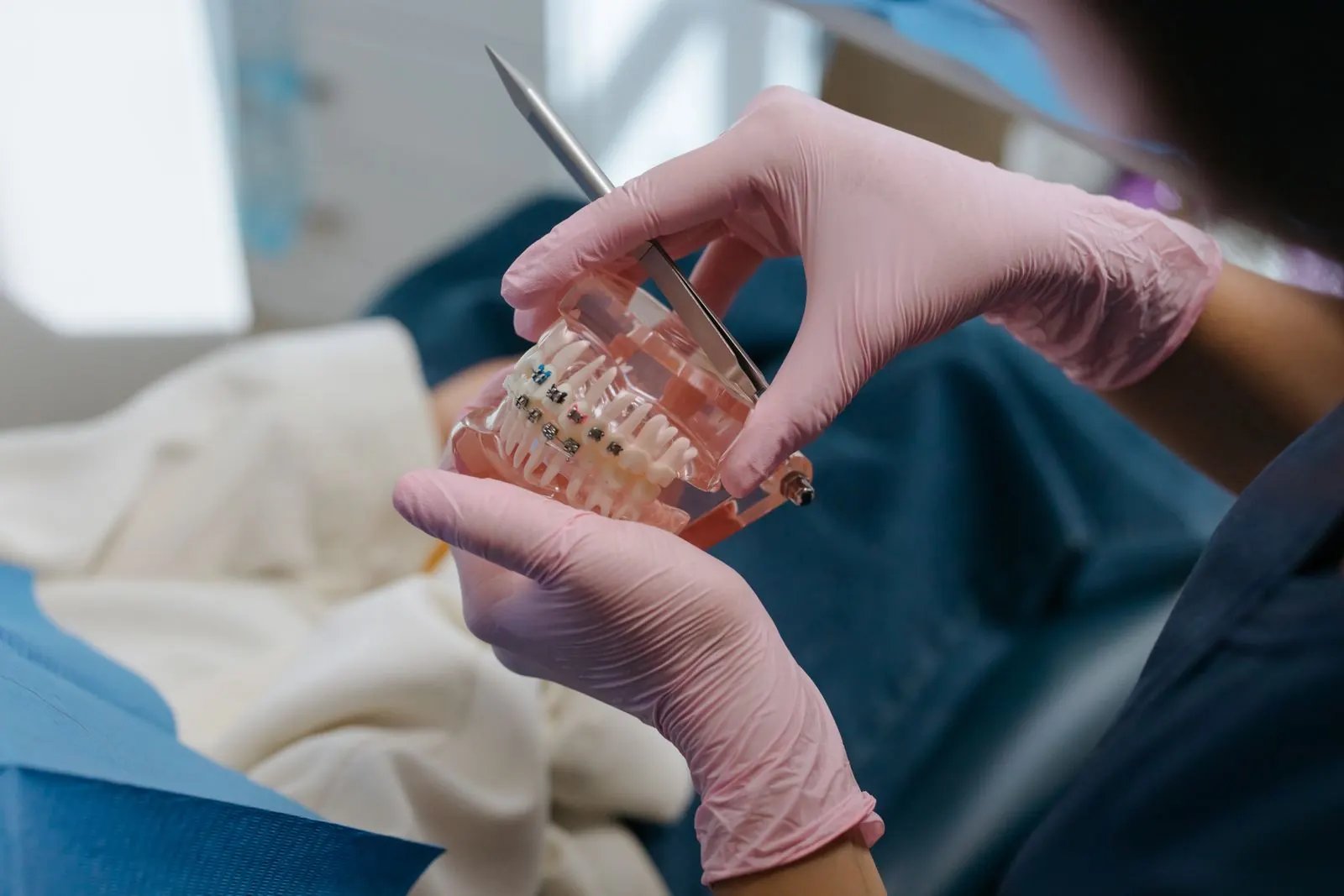
Root canal treatment: what actually happens, step by step
Is a root canal painful? How many sittings does it take? A plain-language guide to root canal treatment (RCT) and why a crown usually follows.
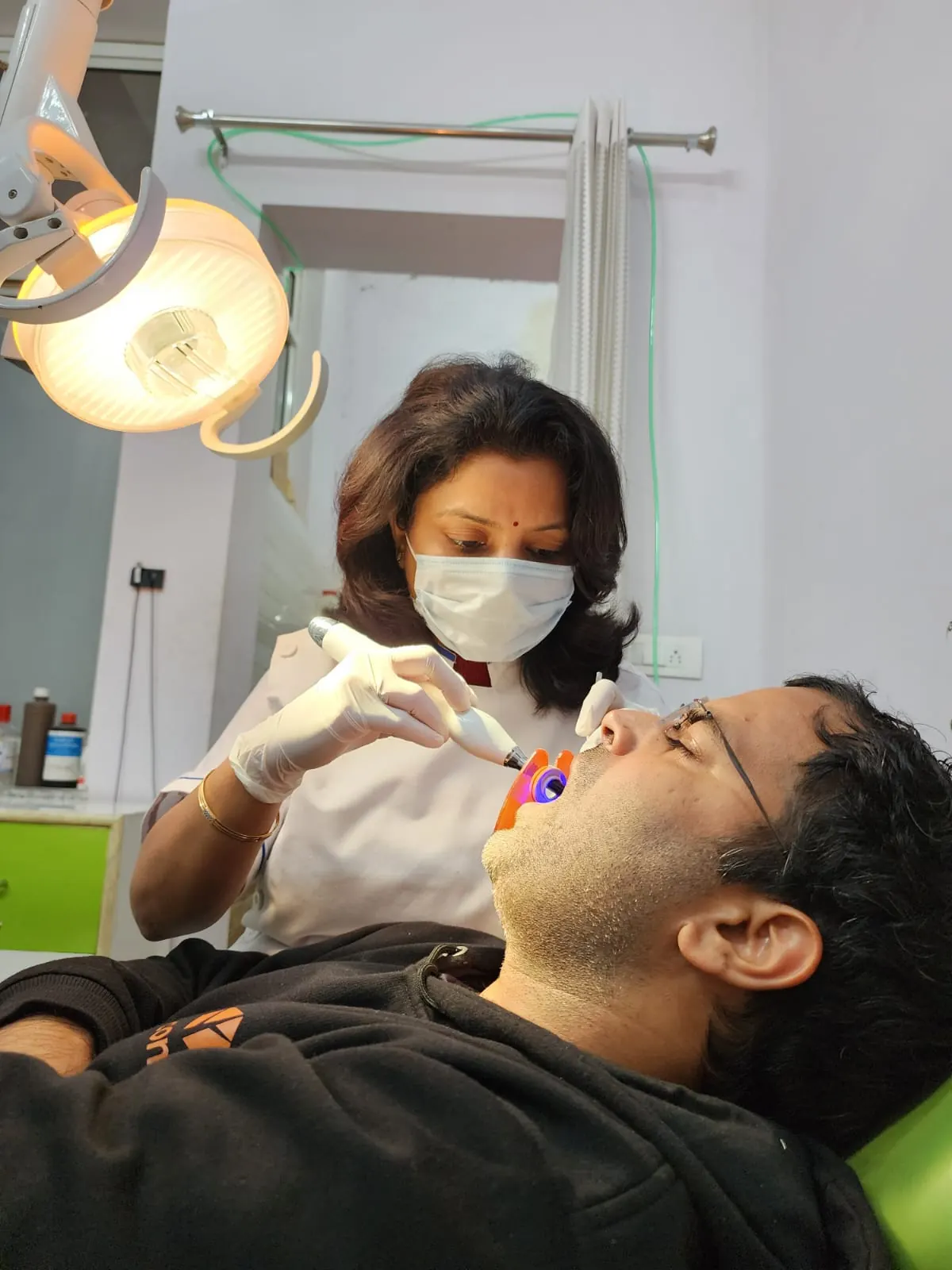
Few dental treatments have a scarier reputation than the root canal. In reality, a root canal is what relieves the pain of an infected tooth — and it lets you keep a tooth that would otherwise have to come out. Here is what the treatment involves, so you know what to expect before you sit in the chair.
Why a tooth needs a root canal
Inside every tooth is a soft core called the pulp, which holds nerves and blood vessels. When deep decay, a crack or repeated dental work lets bacteria reach the pulp, it becomes inflamed or infected. Common signs include:
- Lingering pain when you drink something hot or cold
- A throbbing ache, especially at night or when biting
- Swelling of the gum near the tooth, or a small pimple-like bump on the gum
- A tooth that has turned darker than its neighbours
Sometimes an infected tooth causes no pain at all and is only found on an X-ray. That is one reason routine check-ups matter.
What happens during the treatment
Root canal treatment (RCT) is done under local anaesthesia, so the tooth is numb throughout. The steps are broadly:
- Access — a small opening is made in the top of the tooth to reach the pulp.
- Cleaning — the infected pulp is removed and the narrow canals inside the roots are cleaned and shaped with fine instruments.
- Disinfection — the canals are rinsed to clear remaining bacteria. If the infection is significant, medication may be placed inside and the tooth sealed temporarily.
- Filling — once the canals are clean, they are filled and sealed so bacteria cannot return.
Depending on the tooth and the extent of infection, RCT may be completed in one sitting or spread over two or three.
Does a root canal hurt?
Most patients say the treatment feels similar to having a filling. The pain people associate with root canals usually comes from the infection itself, before treatment. Some tenderness for a few days afterwards is normal and is generally managed with the medicines your dentist advises.
Why a crown (cap) usually follows
A tooth that has had a root canal — especially a back tooth that takes heavy chewing forces — is more brittle than before. A crown, also called a cap, covers and protects it from cracking. Skipping the crown is one of the most common reasons a root-canal-treated tooth fails later.
Looking after the tooth afterwards
- Avoid chewing hard food on the tooth until the permanent filling or crown is in place.
- Brush and floss as usual — the tooth can still get decay at the edges.
- Keep your follow-up appointments so healing can be checked.
When to see a dentist
If you have tooth pain that lingers, swelling, or a tooth that hurts to bite on, don't wait for it to settle — infections tend to get worse, not better. At Devkripa Healthcare in Jhotwara, Dr. Jahanvi Tyagi will examine the tooth, take an X-ray if needed and explain whether a root canal is the right option. You can read more about root canal treatment or book a consultation.
This article is general information, not medical advice, and is not a substitute for a consultation. Treatment is always planned after an examination by Dr. Jahanvi Tyagi.